

Training Tips:
Train Smart, Stay Strong, live well
My approach to training is built on the experience, discipline and resilience I developed serving as a Paratrooper and Falklands veteran. The same principles that shaped me during my military service now form the foundation of every fitness programme, personal training session and coaching plan I deliver.
This isn't about extreme workouts or punishing routines. It's about building strength, resilience and long-term health through consistency, structure and sustainable progress—the kind of training that helps you stay fit, mobile, capable and confident for life.
Whether you're new to exercise, returning after a break or looking to take your fitness to the next level, the principles of effective training remain the same:
-
Train smart.
-
Stay consistent.
-
Prioritise recovery.
-
Build habits that last.
As an online coach, online personal trainer and face-to-face personal trainer based in Warwickshire, I work with clients across the UK and lead outdoor group fitness classes in Warwick. Here are eight practical training tips to help you build a stronger, healthier future.
1) Train for Life, Not Just Looks
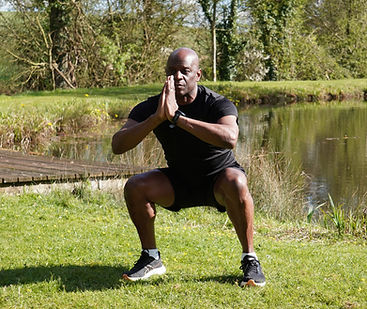
Your goal is not just to look fit, but to be capable:
-
stronger joints
-
better posture
-
improved mobility
-
more energy day to day
Focus on movements that help you in real life:
-
squats
-
lunges
-
push-ups
-
carries
-
rows
This applies whether you’re 20, 30, 45, or 60.
2) Discipline Over Motivation

Training that is built on routine.
Don’t wait until you “feel motivated.”
Train because it is part of your lifestyle.
Example weekly routine:
-
Monday – strength
-
Wednesday – cardio / conditioning
-
Friday – strength
-
Sunday – walk and mobility
Consistency over years is what creates long-term health.
3) Build Strength Early and Keep It for Life

Strength training is one of the most effective ways to improve your health, fitness and quality of life.
Building strength helps to:
-
Protect your joints.
-
Improve posture.
-
Reduce the risk of injury.
-
Improve everyday movement and performance.
-
Support long-term health and independence.
Focus on the fundamental movement patterns:
-
Squats
-
Deadlifts
-
Rows
-
Presses
-
Core training
Master the basics, perform them well and stay consistent. Strong foundations lead to lasting results.
4) Cardio for Heart Health and Longevity

Cardiovascular fitness is essential for a long healthy life.
Best options:
-
brisk walking
-
incline treadmill
-
cycling
-
intervals
-
rucking
Aim for:
-
30 minutes most days
-
1–2 interval sessions weekly
5) Train the Mindset

A long healthy life is built on mindset.
Principles that work for everyone:
-
consistency
-
resilience
-
discipline
-
patience
The aim is not short-term transformation.
The aim is lifelong health and strength.
6) Be Ready for Anything

Your training should prepare you for real life:
-
staying active as you get older
-
handling physical challenges with confidence
-
maintaining strength, mobility, and endurance
This means building a well-rounded level of fitness:
-
strength
-
cardiovascular fitness
-
mobility
-
resilience
Train in a way that supports your life, not just the gym.
The goal is simple: be ready for anything, at any age
7) Prioritise Recovery Days

Recovery isn't being lazy – it's part of the programme.
As we get older, muscles, joints and connective tissues need more time to repair and adapt. Training hard every day can increase fatigue and raise the risk of injury.
-
Schedule at least 1–2 recovery days each week
-
Go for a gentle walk, stretch, or do some mobility work
-
Aim for 7–9 hours of quality sleep
-
Stay hydrated and fuel your body with nutritious foods
Remember: You don't get stronger during the workout – you get stronger when you recover from it.
8) Nutrition for a Long Healthy Life

Discipline applies to food as well.
Keep it simple:
-
lean protein
-
vegetables
-
whole foods
-
good hydration
-
reduce processed foods
Eat to support:
-
recovery
-
muscle
-
long-term health